

Way back when I was just an undergraduate psychology student, I read about something in a Sports Psychology textbook called the Fundamental Attribution Error.
It’s a bias we all tend to have that helps to explain why we might attribute someone else’s actions to who they are, while explaining away our own similar actions to some other external factor.
As humans, it sometimes makes us feel better to blame some other reason than to accept the responsibility for our own choices.
The example used in the textbook was someone who lost a horseracing bet is more likely to blame the horse or the jockey, when the person who was mostly responsible for them losing the bet was… themselves.
The impact of Positivity
I spent a lot of years of my life as a sports official. From my first ever job as a youth soccer referee to eventually becoming a college football official.
If you’ve ever attended a sporting event or watched a game on TV, I imagine you (or someone you love) has complained about an official’s call. No judgment, I know it happens!
It’s pretty often I hear things like “Well, those refs really cost us the game” instead of “We should have played/coached” better.
As I think about that dynamic, it’s very similar to the “glass half empty/full” cliche. Half full is thinking you could have done more, the officials are human, or that’s just how sports go sometimes.
Half empty might be making excuses, blaming someone else, or being a big old baby about it.
Those half-full sports fans, and their optimism and ability to look at the bright side, remind me of the CliftonStrengths Talent Theme of Positivity.

Most people understand the definition of Positivity pretty intuitively.
You look at the pros more than the cons. In your work life, you have joy and get energized by optimism and a hopeful outlook. You’re not the fan in the last row yelling mean things, you’re the person with the pom-poms who is celebrating and encouraging others in a way that moves the team forward.
I like to think about Positivity as not just having contagious enthusiasm and being upbeat, but using those talents to get others excited and keep them in the game.
Ted Lasso: The Positivity Coach
Even if you have never watched the show Ted Lasso, I imagine you know who he is.
What captivated so many people about Jason Sudeikis’ character on the AppleTV show was that his character was positive to a fault.
His unwavering optimism and infectious spirit is not something we typically see in sports coaches. Believe me, as a referee, if all coaches were like Ted Lasso my hair would be much less gray.
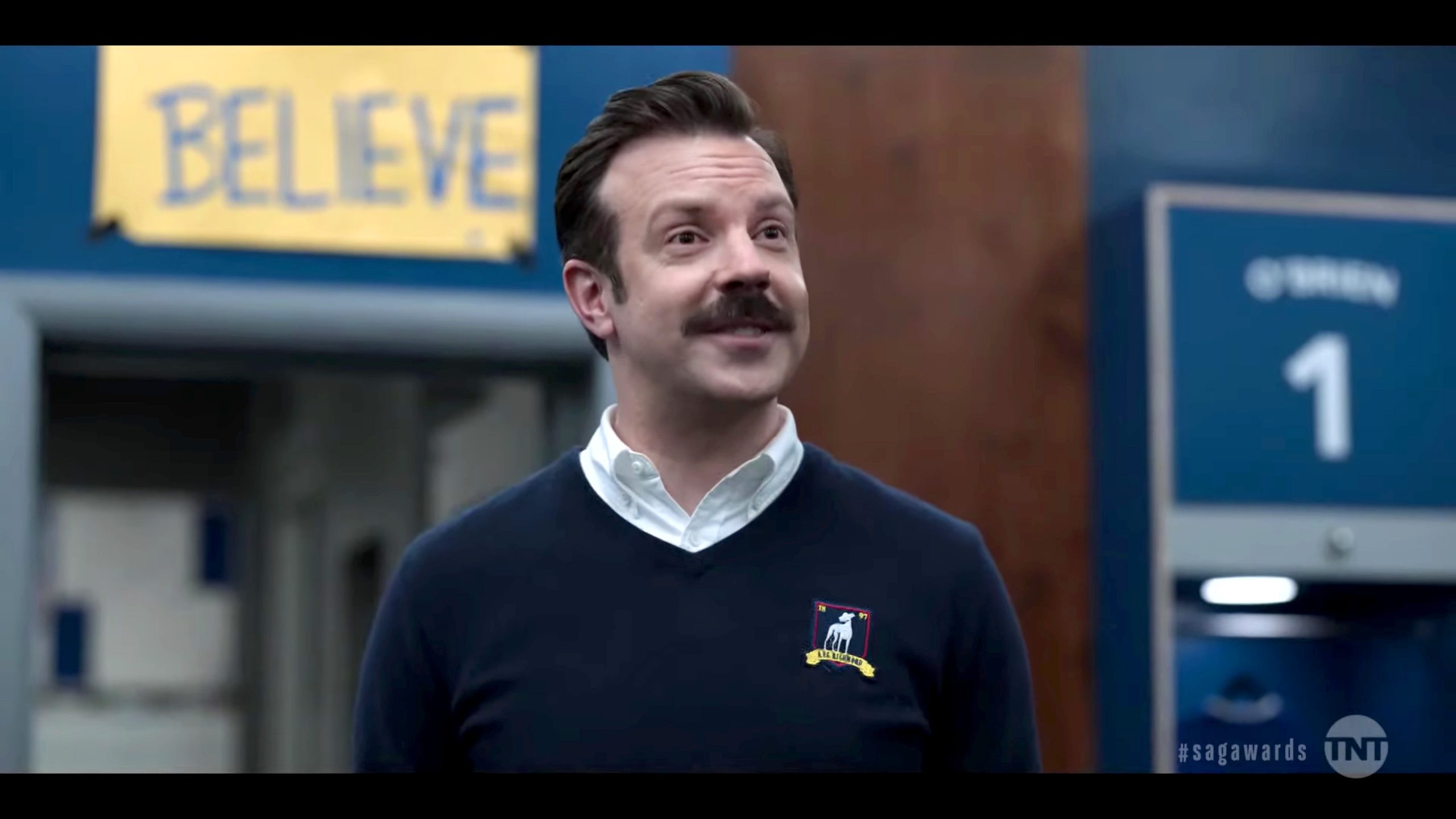
So my overall message in this post is to think about Positivity by channeling Ted Lasso.
If you have this talent, be transformative and influence those around you to keep their spirits high in the face of challenges.
If you work with someone who has Positivity, give them the space to spread it with others and avoid restraining that instinct that they possess.
And maybe it’s wishful thinking, but if there are any sports coaches out there who happen to be reading a retired referee’s blog, please get in touch.
I’d love to do a workshop with you and your coaching staff to see where the Positivity talent is on your team and how we can maximize that talent to help you succeed!
Leave a Reply
You must be logged in to post a comment.